#ZaferPartisi etiketine sahip kayıtlar gösteriliyor. Tüm kayıtları göster

16 Ekim 2026 Cuma

Ümit Özdağ’dan Türkiye’nin Güvenliği Üzerine Kritik Değerlendirme-Yılmaz Parlar

   Ümit Özdağ’dan Türkiye’nin Güvenliği Üzerine Kritik Değerlendirme

Mehmetçiğin Geleceği ve TBMM’nin Rolü

Mekke Ortak Savunma Anlaşması tartışması

Türkiye’nin millî güvenliği, bölgesel gelişmeler ve askerî kararların anayasal çerçevesi yeniden gündemde

Türkiye’nin güvenliği nasıl güçlendirilecek? Türk askerinin hayatını korumak ve ülkenin millî çıkarlarını gözetmek için hangi adımlar atılmalı? Türkiye, bölgesel gerilimler karşısında kendi güvenlik önceliklerini nasıl belirlemeli?
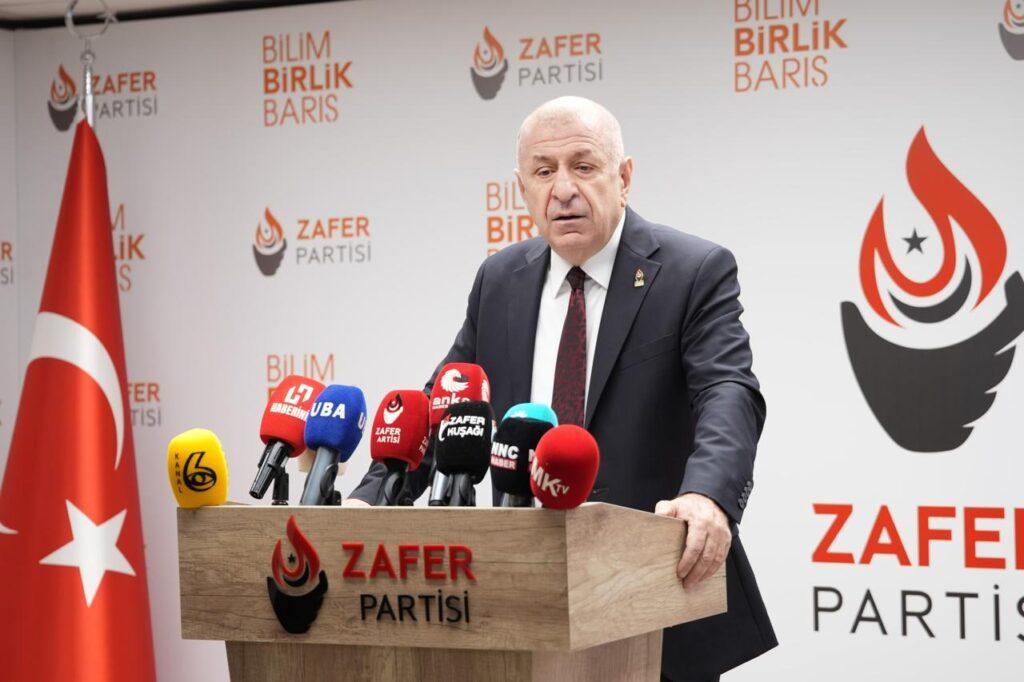
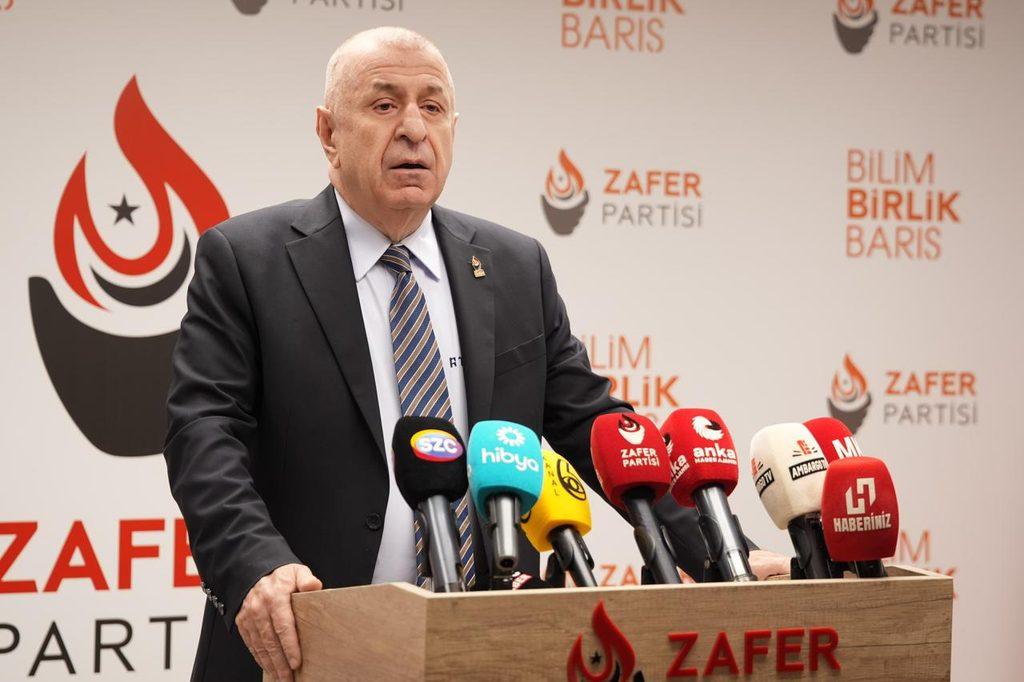
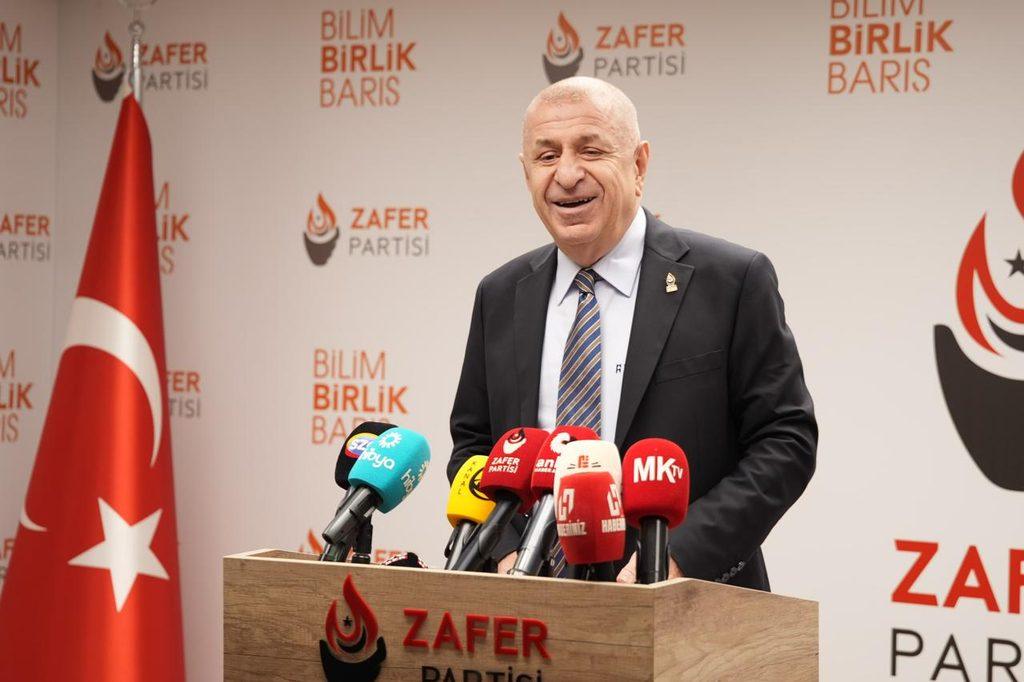
Bu sorular, dış politika ve millî güvenlik tartışmalarının merkezinde yer alıyor. Zafer Partisi Genel Başkanı Prof. Dr. Ümit Özdağ da Türk Milleti basın toplantısında yaptığı açıklamalarda, Türkiye, Pakistan ve Suudi Arabistan arasında imzalandığını belirttiği Mekke Ortak Savunma Anlaşması üzerinden Türkiye’nin bölgesel politikalarına, olası askerî yükümlülüklere ve Türkiye Büyük Millet Meclisi’nin anayasal rolüne ilişkin değerlendirmelerde bulundu.

Özdağ’ın açıklamaları, Türkiye’nin uluslararası ilişkilerde üstlenebileceği sorumlulukların hangi koşullarda değerlendirilmesi gerektiği sorusunu yeniden gündeme taşıdı.

Millî güvenlik ve dış politika tercihleri

Özdağ, Türkiye’nin dış politika kararlarının uzun vadeli millî güvenlik çıkarları açısından değerlendirilmesi gerektiğini savundu. Bölgesel gelişmelerin Türkiye’ye olası etkilerine dikkat çeken Özdağ, özellikle askerî iş birliği ve savunma politikalarının sonuçlarının dikkatle ele alınması gerektiği yönündeki görüşlerini dile getirdi.

Bu çerçevede temel tartışma, uluslararası iş birliklerinin Türkiye’nin güvenliğine nasıl katkı sağlayacağı ve bu iş birliklerinin ülkeye getirebileceği sorumlulukların nasıl değerlendirileceği üzerinde yoğunlaşıyor.

Savunma anlaşmalarının kapsamı, taraflara yüklediği yükümlülükler ve uygulama koşulları, yalnızca siyasi açıklamalar üzerinden değil, ilgili belgeler ve hukuki düzenlemeler üzerinden de incelenmesi gereken başlıklar arasında bulunuyor.

Türk askerinin görev ve sorumlulukları nasıl değerlendirilmeli?

Basın toplantısında gündeme gelen konulardan biri de Türkiye’nin bölgesel gelişmeler karşısındaki olası askerî sorumlulukları oldu. Özdağ, Türkiye’nin güvenlik politikalarına ilişkin değerlendirmelerinde Türk askerinin karşılaşabileceği riskler ve ülkenin stratejik tercihleri üzerinde durdu.

Ancak herhangi bir anlaşmanın Türkiye’yi belirli bir bölgede askerî göreve zorunlu olarak yönlendirdiği sonucuna varabilmek için anlaşmanın tam metninin, hukuki niteliğinin ve ilgili kararların incelenmesi gerekiyor. Bu nedenle olası askerî yükümlülükler konusunda kesin bir hüküm vermek yerine, anlaşmanın kapsamının ve uygulama koşullarının açıklığa kavuşturulması önem taşıyor.

Türkiye’nin askerî ve diplomatik kararlarında güvenlik ihtiyaçları, uluslararası yükümlülükler ve ülkenin uzun vadeli çıkarları birlikte değerlendirilmesi gereken unsurlar olarak öne çıkıyor.
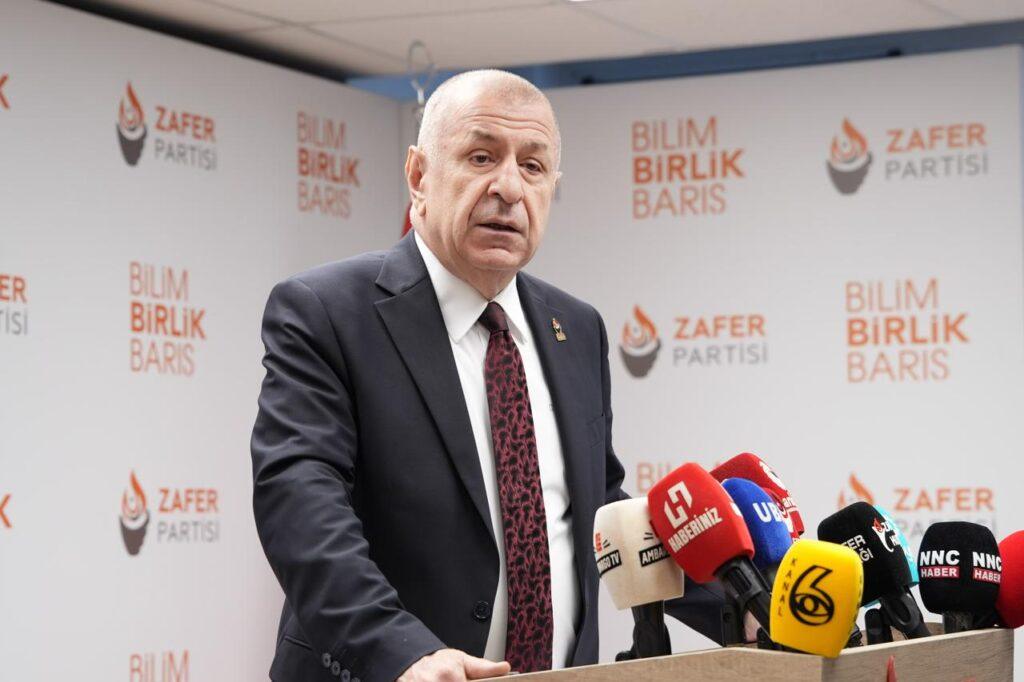
TBMM’nin anayasal yetkisi neden önemli?

Tartışmanın bir diğer önemli boyutunu, Türkiye Büyük Millet Meclisi’nin anayasal yetkileri oluşturuyor.

Türkiye Cumhuriyeti Anayasası’nın 92. maddesi, milletlerarası hukukun meşru saydığı hâllerde savaş hâli ilanı ve Türk Silahlı Kuvvetlerinin yabancı ülkelere gönderilmesi ya da yabancı silahlı kuvvetlerin Türkiye’de bulunmasına izin verilmesi konusunda Meclisin yetkisini düzenliyor. Maddenin kapsamı ve istisnaları, somut olayın koşullarıyla birlikte değerlendirilmelidir.

Bu nedenle savunma anlaşmalarıyla ilgili tartışmalarda, uluslararası metinlerin içeriğinin yanı sıra uygulanacak anayasal usullerin de açıklığa kavuşturulması önem taşıyor. Özdağ’ın açıklamaları da Türkiye’nin güvenlik politikaları ile anayasal yetki ve sorumluluklar arasındaki ilişkiyi siyasi gündeme taşıdı.

İran, Yemen ve bölgesel dengeler

Özdağ’ın basın toplantısında ele aldığı başlıklar arasında İran ve Yemen politikaları ile bölgesel güvenlik dengeleri de yer aldı.

Orta Doğu’daki gelişmeler, ülkelerin diplomatik ilişkilerini, savunma tercihlerini ve ekonomik çıkarlarını etkileyebiliyor. Türkiye açısından bu gelişmelerin değerlendirilmesinde, bölgesel istikrarın korunması, sınır güvenliği, uluslararası ilişkiler ve olası sonuçların önceden analiz edilmesi önem taşıyor.

Özdağ, bu konulardaki yaklaşımını ve kaygılarını açıklarken Türkiye’nin millî çıkarlarının gözetilmesi gerektiğini savundu. Bu değerlendirmeler, farklı siyasi aktörlerin dış politika ve güvenlik konularında ortaya koyduğu görüşler çerçevesinde ele alınmalı; anlaşmaların gerçek kapsamı ve bölgesel gelişmeler hakkındaki tespitler ise doğrulanabilir bilgilerle desteklenmeli.

Türkiye’nin önündeki temel soru

Ümit Özdağ’ın açıklamalarıyla yeniden gündeme gelen tartışma, Türkiye’nin güvenlik politikalarının nasıl şekillendirilmesi gerektiği sorusunu öne çıkarıyor.

Türkiye’nin önündeki temel mesele; millî güvenliğin güçlendirilmesi, Türk askerinin hayatının korunması ve ülkenin uluslararası ilişkilerdeki sorumluluklarının açık, hukuki ve öngörülebilir bir çerçevede değerlendirilmesidir.

Mekke Ortak Savunma Anlaşması’nın kapsamı ve Türkiye bakımından doğurabileceği sonuçlar hakkında sağlıklı bir değerlendirme yapılabilmesi için anlaşmanın içeriğinin ve ilgili hukuki süreçlerin açıklığa kavuşturulması gerekiyor.

Türkiye’nin güvenliği, askerî sorumlulukları ve dış politika tercihleri üzerine yürütülen tartışmanın merkezinde ise şu soru bulunuyor: Ülkenin millî çıkarları, bölgesel gelişmeler karşısında hangi stratejiyle en etkili biçimde korunabilir?

yilmazparlar@yahoo.com

Ümit Özdağ Raises Key Questions About Türkiye’s National Security

The Future of Turkish Troops and the Role of Parliament

Mekka Common Defense Agreement Debate Puts National Security, Regional Developments and Constitutional Responsibilities in Focus

How can Türkiye strengthen its national security? What measures should be considered to protect the lives of Turkish military personnel and safeguard the country’s national interests? How should Türkiye determine its security priorities amid regional tensions?

These questions remain central to discussions on foreign policy and national security. Prof. Dr. Ümit Özdağ, leader of the Victory Party (Zafer Partisi), addressed these issues during a press conference held by Türk Milleti, offering assessments of Türkiye’s regional policies, potential military commitments and the constitutional role of the Grand National Assembly of Türkiye.

Referring to what he described as the Mekka Common Defense Agreement involving Türkiye, Pakistan and Saudi Arabia, Özdağ raised questions about the potential implications of regional defense cooperation and the responsibilities Türkiye might assume.

His remarks brought renewed attention to the circumstances under which Türkiye’s international commitments should be assessed.

National Security and Foreign Policy Choices

Özdağ argued that Türkiye’s foreign policy decisions should be evaluated in light of the country’s long-term national security interests. Drawing attention to the potential implications of regional developments for Türkiye, he expressed his views on the need to carefully assess the consequences of military cooperation and defense policies.

The broader debate centers on how international partnerships may contribute to Türkiye’s security and how the responsibilities arising from such cooperation should be evaluated.

The scope of defense agreements, the obligations they may impose on their parties and the conditions governing their implementation are matters that require examination of the relevant documents and legal provisions, rather than reliance solely on political statements.

How Should the Responsibilities of Turkish Troops Be Assessed?

Another issue raised during the press conference concerned Türkiye’s potential military responsibilities in response to regional developments. In his assessment of the country’s security policies, Özdağ discussed the risks Turkish military personnel might face and the strategic choices confronting Türkiye.

However, determining whether an agreement obliges Türkiye to undertake a military mission in a particular region requires examination of the full text of the agreement, its legal status and the relevant decisions. For this reason, the scope and implementation conditions of any potential military commitments need to be clarified before definitive conclusions can be drawn.

Türkiye’s security requirements, international obligations and long-term national interests are all relevant considerations in military and diplomatic decision-making.

Why Is Parliament’s Constitutional Authority Important?

Another important dimension of the debate concerns the constitutional authority of the Grand National Assembly of Türkiye (TBMM).

Article 92 of the Constitution of the Republic of Türkiye regulates Parliament’s authority concerning declarations of a state of war in circumstances recognized as legitimate under international law, as well as the deployment of Turkish Armed Forces abroad and the admission of foreign armed forces into Türkiye. The article’s scope and exceptions must be assessed in light of the circumstances of each specific case.

Accordingly, discussions concerning defense agreements should address not only the contents of international instruments but also the constitutional procedures applicable to their implementation. Özdağ’s remarks brought the relationship between Türkiye’s security policies and its constitutional powers and responsibilities into the political debate.

Iran, Yemen and Regional Dynamics

Özdağ also addressed Türkiye’s policies concerning Iran and Yemen, along with broader regional security dynamics.

Developments in the Middle East can affect countries’ diplomatic relations, defense decisions and economic interests. For Türkiye, assessing these developments involves considering regional stability, border security, international relations and the potential consequences of strategic decisions.

In discussing these issues, Özdağ argued that Türkiye’s national interests should remain a priority. His assessments form part of the wider political debate over foreign policy and security. Claims concerning the actual scope of agreements and developments in the region, however, should be evaluated against verifiable information.

The Central Question Facing Türkiye

The debate brought renewed attention to the question of how Türkiye’s security policies should be shaped.

The central challenge is to strengthen national security, protect the lives of Turkish military personnel and ensure that the country’s international responsibilities are assessed within a clear, lawful and predictable framework.

A sound assessment of the scope of the Mekka Common Defense Agreement and its potential implications for Türkiye requires clarification of the agreement’s contents and the relevant legal procedures.

At the heart of the discussion over Türkiye’s security, military responsibilities and foreign policy choices lies a fundamental question: What strategy would best protect Türkiye’s national interests amid changing regional circumstances?

yilmazparlar@yahoo.com

18 Eylül 2026 Cuma

Ümit Özdağ: "Milletin Sesiyiz-Yılmaz Parlar


Zafer Partisi Genel Başkanı Prof. Dr. Ümit Özdağ’dan Türkiye Gündemine Damga Vuran Basın Toplantısı

Zafer Partisi Genel Başkanı Prof. Dr. Ümit Özdağ, Türk Milleti Basın Toplantısı’nda eğitimden tarıma, terörle mücadeleden anayasa tartışmalarına kadar kritik konularda çarpıcı açıklamalarda bulundu. Özdağ, iktidarın politikalarını sert sözlerle eleştirirken, Zafer Partisi’nin kararlı duruşunu bir kez daha ortaya koydu.

Türk siyasetinin en cesur ve ilkeli isimlerinden biri olan Prof. Dr. Ümit Özdağ, yıllardır milletin sesi olmaya devam ediyor. Atatürk’ün izinde, milli devletten ve üniter yapıdan asla taviz vermeyen duruşuyla Özdağ, Türk milletinin bağımsızlığı ve geleceği için yılmadan mücadele ediyor. Onun liderliğindeki Zafer Partisi, bugün Türkiye’nin en dinamik ve kararlı siyasi hareketi olarak dikkat çekiyor. Özdağ, her konuşmasında olduğu gibi bu basın toplantısında da milletin sorunlarını doğrudan dile getirerek, iktidarın görmezden geldiği gerçekleri bir bir sıraladı.

Bu basın toplantısı, Türkiye’nin içinde bulunduğu eğitim, tarım, terör ve anayasa krizlerinin derinlemesine ele alındığı, milletin nabzının tutulduğu tarihi bir öneme sahiptir. Özdağ’ın açıklamaları, sadece bir siyasi parti liderinin görüşleri değil, aynı zamanda milyonlarca Türk vatandaşının ortak sesi ve vicdanının yansımasıdır.

Eğitimde Felaket, “Gayri Milli Eğitimsizlik Bakanı”

Özdağ, 2026-2027 eğitim-öğretim yılının başlamasıyla birlikte Milli Eğitim Bakanlığı’nın başarısızlığını resmi rakamlarla gözler önüne serdi:

TYT’ye 2 milyon 254 bin öğrenci girdi. Matematikte 40 soruda ortalama doğru sayısı sadece 6,4; fen bilimlerinde 20 soruda 3,9.

67 bin 87 öğrenci sıfır puan aldı.

24 yıllık AK Parti iktidarında 9 Milli Eğitim Bakanı değişti; eğitim sürekli geriledi.

Özdağ, mevcut Bakan’ı “gayri milli eğitimsizlik Bakanı” olarak nitelendirdi.

“Türkiye Yüzyılı Maarif Modeli”nden İstiklal Harbi ve Kurtuluş Savaşı çıkarıldı; Atatürk’e mümkün olduğunca az yer verildi.

Bilim ve teknoloji derslerinin yerini cemaat ve tarikatlara açan bir eğitim anlayışı eleştirildi.

Özdağ, öğretmenlere çağrıda bulunarak Atatürk’ü, İstiklal Harbi’ni ve Kurtuluş Savaşı’nı anlatmaya devam etmelerini istedi.

Terörle Müzakere: “Terörsüz Türkiye Değil, Teröre Teslim Olmuş Türkiye”

Özdağ, AK Parti Sözcüsü Ömer Çelik’in Sincar’daki PKK bağlantılı yapıların silah bırakacağı açıklamasına sert tepki gösterdi:

“Silah bırakma” adı altında PKK’nın isim değiştirerek varlığını sürdüreceğini belirtti.

TSK ve MİT’in sürecin dışında tutulmasını eleştirdi.

Silahların adli suç incelemesi yapılması, envanter çıkarılması gerektiğini vurguladı.

“Terörsüz Türkiye derken teröre teslim olmuş bir Türkiye manzarası ortaya çıkacak” dedi.

Anayasa Tartışmaları: “Türkiye’yi Lübnanlaştırmak Mı İstiyorsunuz?”

Özdağ, iktidarın yeni anayasa ısrarını eleştirerek şu soruları yöneltti:

82 Anayasası 19 kez değişti, 177 maddenin 130’u değişti. Değişmeyenler sadece değiştirilemez maddeler.

“Yeni anayasa” ile 66. madde (Türk vatandaşlığı), 127. madde (yerel yönetimler) ve 42. madde (eğitim) değiştirilmek isteniyor.

“Türkiye’yi Lübnanlaştıracak mısınız? Yugoslavyalaştıracak mısınız?”

“Öcalan’a ayrı bir statü hesabı mı bu?”

“Millet acıkınca anayasa mı yiyecek?”

Tarımda Çöküş: Çiftçi Perişan, Üzüm Fiyatı Düştü

Özdağ, tarımdaki yıkımı rakamlarla anlattı:

Kuru üzüm fiyatı geçen yıl 120 TL iken bu yıl 95 TL’ye düştü (%21 düşüş).

7 numaradan 10 numaraya kadar alım fiyatları %15-23 arasında düştü.

Üretici 150 TL beklerken 100 TL’yi bile göremiyor.

Çiftçi, icraya düşmemek için üzümünü 55-60 TL’den satmak zorunda.

Ziraat Bankası ve Tarım Kredi Kooperatifleri %70 gecikme faizi uyguluyor.

Trakya’da ayçiçek ve kanola üreticisi de mağdur; Trakya Birlik hâlâ fiyat açıklamadı.

Buğdayda %22, arpada %16 artış; enflasyon ve maliyetler karşısında yetersiz.

Özdağ: “Türk tarımı sahipsiz, Türk çiftçisi sahipsiz.”

Öcalan’a Villa Tartışması: “Sıvasını Atmayın, Şehit Evleri Hatırlansın”

Özdağ, İmralı’da Öcalan için yapılacak villayı sert dille eleştirdi:

“Aylar önce söyledim, şimdi teyit edildi.”

“250 metrekarelik evcik” denmesine tepki gösterdi.

“Bu villanın sıvasını atmayın ki yüzlerce sıvasız şehit evi hatırlansın.”

“15 bin şehit verdi bu ülke. 250’ye bölün, her metrekaresine kaç şehit düşüyor?”

Türkçeye Saldırı: “Adliyeye Gidiyoruz”

Özdağ, Diyarbakır ve Mardin’de belediye tabelalarının Kürtçe yazılmasına tepki gösterdi:

Anayasa’nın 3. maddesi: “Dili Türkçedir.”

Danıştay’ın 2007’de Sur Belediyesi’ni lağvettiğini hatırlattı.

“Bu hukuksuz saldırıya sessiz kalmayacağız.”

Basın toplantısı sonrası Cumhuriyet Başsavcılığı’na suç duyurusunda bulunacaklarını açıkladı.

Belediye meclis kararlarının iptali için idari yargıda dava açacaklarını belirtti.

Kozinoğlu Soruşturması: “Hasan Atilla Uğur’a Haksızlık Yapılmasın”

Özdağ, Hasan Atilla Uğur’un gözaltına alınmasını değerlendirdi:

Kaşif Kozinoğlu’nun FETÖ tarafından şehit edildiğini söyledi.

Gözaltı kararının net gerekçesi olmadığını belirtti.

Uğur’un daha önce FETÖ tarafından 5 yıldan fazla haksız yere hapsedildiğini hatırlattı.

“Bir daha kendisine haksızlık yapılmaması gerekir.”

Parti İçi Disiplin: “Hukuki Zorunluluk”

Özdağ, 10 ismin ihraç edildiği iddialarına ilişkin soruya şu yanıtı verdi:

Ali Dinçer Çolak’ın hâlâ Genel Başkan Yardımcısı olduğunu ve görevinin başında olduğunu söyledi.

İşlemin hukuki zorunluluk nedeniyle yapıldığını belirtti.

“Disiplin Kurulu konuyu doğru zeminde halledecektir.”

Anayasa Referandumu: “Milletin Kararına Saygı Duyarız”

Özdağ, anayasa değişikliği referandumuna ilişkin soruya şu cevabı verdi:

Zafer Partisi olarak anayasa değişikliklerinin referanduma götürülmesi gerektiğini düşünüyoruz.

Ancak iktidarın 42., 66., 127. ve 174. maddeleri değiştirmeye cesaret edemeyeceğine inanıyoruz.

 “Atatürk Cumhuriyeti’ni Kararlılıkla Savunmaya Devam Edeceğiz”

Özdağ, konuşmasını şu sözlerle tamamladı:

“Zafer Partisi olarak duruşumuz net, yönümüz belli ve bu konuda da ısrarcıyız. Türk düşmanlarına karşı, anayasanın ilk dört maddesine karşı olduğunu söyleyenlere karşı, emperyalizmin uşağı olmuş bölücülere karşı ve hâlâ siyasi matematik hesabı yapıp fakat gerçekten Atatürk’ün bıraktığı Cumhuriyeti savunmayan bir tavır içinde olanlara karşı Atatürk Cumhuriyeti’ni kararlılıkla savunmaya devam edeceğiz.”

yilmazparlar@yahoo.com

Ümit Özdağ: "We Are the Voice of the Nation"

A Press Conference by Zafer Party Chairman Prof. Dr. Ümit Özdağ That Left Its Mark on Turkey's Agenda

Zafer Party Chairman Prof. Dr. Ümit Özdağ made striking statements on critical issues ranging from education to agriculture, from the fight against terrorism to constitutional debates at the Turkish Nation Press Conference. While Özdağ sharply criticized the government's policies, he once again demonstrated Zafer Party's determined stance.

Prof. Dr. Ümit Özdağ, one of the bravest and most principled figures in Turkish politics, has continued to be the voice of the nation for years. With his stance that never compromises on the national state and unitary structure, in the footsteps of Atatürk, Özdağ struggles tirelessly for the independence and future of the Turkish nation. Zafer Party under his leadership stands out today as Turkey's most dynamic and determined political movement. In this press conference, as in every speech he gives, Özdağ directly voiced the nation's problems and listed one by one the truths that the government ignores.

This press conference holds historical importance as it thoroughly addresses the education, agriculture, terrorism, and constitutional crises Turkey is facing, and takes the pulse of the nation. Özdağ's statements are not merely the views of a political party leader, but also the common voice and reflection of the conscience of millions of Turkish citizens.

Disaster in Education: "The Minister of Un-National Education"

Özdağ revealed the failure of the Ministry of National Education with official figures as the 2026-2027 academic year began:

2 million 254 thousand students took the TYT. The average number of correct answers in mathematics was only 6.4 out of 40 questions; in science, 3.9 out of 20 questions.

67 thousand 87 students received zero points.

During 24 years of AK Party rule, 9 Ministers of National Education changed; education continuously declined.

Özdağ described the current Minister as "the Minister of Un-National Education."

The İstiklal War and the War of Independence were removed from the "Turkey Century Education Model"; Atatürk was given as little space as possible.

An education approach that opens the place of science and technology courses to communities and sects was criticized.

Özdağ called on teachers to continue teaching Atatürk, the İstiklal War, and the War of Independence.

Negotiation with Terrorism: "Not a Turkey Without Terrorism, But a Turkey Surrendered to Terrorism"

Özdağ reacted harshly to AK Party Spokesperson Ömer Çelik's statement that PKK-linked structures in Sinjar would lay down their arms:

He stated that under the name of "laying down arms," the PKK would continue its existence by changing its name.

He criticized the exclusion of the Turkish Armed Forces and MIT from the process.

He emphasized that the weapons must undergo judicial criminal investigation and an inventory must be made.

"When you say a Turkey without terrorism, a Turkey surrendered to terrorism will emerge," he said.

Constitutional Debates: "Are You Trying to Turn Turkey into Lebanon?"

Özdağ criticized the government's insistence on a new constitution and posed the following questions:

The 1982 Constitution was amended 19 times, 130 of its 177 articles were changed. The only unchanged ones are the unchangeable articles.

With the "new constitution," Article 66 (Turkish citizenship), Article 127 (local governments), and Article 42 (education) are sought to be changed.

"Are you trying to turn Turkey into Lebanon? Are you trying to turn it into Yugoslavia?"

"Is this a plan for a separate status for Öcalan?"

"Will the nation eat the constitution when it goes hungry?"

Collapse in Agriculture: Farmers in Despair, Raisin Prices Plummeted

Özdağ described the destruction in agriculture with figures:

The price of dried raisins fell from 120 TL last year to 95 TL this year (a 21% decrease).

Purchase prices from grade 7 to grade 10 fell between 15-23%.

While producers expected 150 TL, they cannot even see 100 TL.

Farmers are forced to sell their raisins at 55-60 TL to avoid foreclosure.

Ziraat Bank and Agricultural Credit Cooperatives apply a 70% late payment interest.

Sunflower and canola producers in Thrace are also suffering; Trakya Birlik has still not announced purchase prices.

A 22% increase in wheat and 16% in barley; insufficient against inflation and costs.

Özdağ: "Turkish agriculture is abandoned, the Turkish farmer is abandoned."

The Villa Debate for Öcalan: "Don't Plaster It, Let the Martyr Homes Be Remembered"

Özdağ harshly criticized the villa to be built for Öcalan in İmralı:

"I said it months ago, now it has been confirmed."

He reacted to it being called a "250-square-meter little house."

"Don't plaster this villa so that hundreds of unplastered martyr homes are remembered."

"This country gave 15 thousand martyrs. Divide by 250, how many martyrs fall per square meter?"

Attack on Turkish: "We Are Going to the Courthouse"

Özdağ reacted to the Kurdish writing on municipal signs in Diyarbakır and Mardin:

Article 3 of the Constitution: "Its language is Turkish."

He recalled that the Council of State abolished Sur Municipality in 2007.

"We will not remain silent against this unlawful attack."

He announced that they would file a criminal complaint with the Chief Public Prosecutor's Office after the press conference.

He stated that they would file a lawsuit in administrative court for the annulment of municipal council decisions.

Kozinoğlu Investigation: "Let No Injustice Be Done to Hasan Atilla Uğur"

Özdağ evaluated the detention of Hasan Atilla Uğur:

He said Kaşif Kozinoğlu was martyred by FETÖ.

He stated that there was no clear justification for the detention decision.

He recalled that Uğur had previously been unjustly imprisoned by FETÖ for more than 5 years.

"No injustice should be done to him again."

Intra-Party Discipline: "Legal Obligation"

Özdağ gave the following answer to the question regarding the allegations that 10 names were expelled:

He said Ali Dinçer Çolak is still Deputy Chairman and at his post.

He stated that the action was taken due to a legal obligation.

"The Disciplinary Board will resolve the matter on the correct ground."

Constitutional Referendum: "We Respect the Nation's Decision"

Özdağ gave the following answer to the question regarding a constitutional amendment referendum:

As Zafer Party, we believe that constitutional amendments should be taken to a referendum.

However, we believe the government will not dare to change Articles 42, 66, 127, and 174.

"We Will Continue to Defend the Atatürk Republic with Determination"

Özdağ concluded his speech with the following words:

"As Zafer Party, our stance is clear, our direction is certain, and we are persistent on this matter. Against Turkish enemies, against those who say they are against the first four articles of the constitution, against separatists who have become servants of imperialism, and against those who still make political calculations but do not truly defend the Republic left by Atatürk, we will continue to defend the Atatürk Republic with determination."

yilmazparlar@yahoo.com

11 Ağustos 2026 Salı

Özdağ'dan 'Çerçeve Yasa'ya Sert Tepki-Yılmaz Parlar


Çerçeve Yasa Sonrası Zafer Partisi'nin Yol Haritası

"Bu Yeni Bir Sevr Tasarımı"

Zafer Partisi lideri, TBMM önünde yaptığı açıklamada terör düzenlemesini 'Cumhuriyet'e tehdit' olarak nitelendirirken, partisinin önümüzdeki dönemde izleyeceği yol haritasının da sinyallerini verdi.

Zafer Partisi Genel Başkanı Prof. Dr. Ümit Özdağ, Birinci TBMM Binası önünde düzenlediği basın toplantısında, kamuoyunda "Terörsüz Türkiye" olarak adlandırılan sürece ve TBMM'de kabul edilen yasal düzenlemeye yönelik sert eleştirilerde bulundu.

Özdağ'ın açıklamaları, Meclis'teki uzlaşma havasına karşı muhalefet cephesinde yeni bir kırılma yarattı.

"Mesele Sadece Bir Af Yasası Değil"

Açıklamasına, sürecin yalnızca hukuki bir düzenleme olarak görülmemesi gerektiğini vurgulayarak başlayan Özdağ, Türkiye Cumhuriyeti'nin kuruluş esasları açısından ciddi uyarılarda bulundu. Özdağ, konuşmasında şu ifadelere yer verdi:

"İstiklal Harbi sonucunda inşa ettiğimiz Cumhuriyet ağır bir tehdit altındadır. Türkiye Yugoslavyalaştırılmak istenmektedir. Bu yeni bir Sevr tasarımıdır."

Özdağ, PKK ve Abdullah Öcalan ile yürütüldüğünü öne sürdüğü sürecin kapsamının ve olası sonuçlarının ayrıntılı şekilde değerlendirilmesi gerektiğini belirterek, örgütün yalnızca Türkiye içindeki yapılanmasından ibaret olmadığını, Irak, İran ve Suriye'deki unsurlarının da göz önünde bulundurulması gerektiğini ifade etti.

Özellikle Suriye'deki YPG yapılanması ile Irak ve İran'daki PKK unsurlarına dikkat çeken Özdağ, silah bırakma ve örgütün feshi konusunda doğrulanabilir ve kapsamlı bir mekanizma ortaya konulması gerektiğini savundu.

"Terörle Müzakere Değil, Mücadele"

Özdağ, terörle mücadelede örgütün finans, lojistik ve dış destek kanallarının hedef alınması gerektiğini belirterek, Zafer Partisi'nin terörle müzakere yerine kararlı mücadele politikasından yana olduğunu yineledi.

Geçmişte yaşanan çözüm süreci ve sonrasında meydana gelen terör olaylarını hatırlatan Özdağ, benzer bir sürecin yeniden yaşanmaması gerektiğinin altını çizdi.

Konuşmasında Türkiye'nin anayasal yapısına ilişkin değerlendirmeler de yapan Özdağ, ilerleyen dönemde yapılabileceğini öne sürdüğü anayasal ve yasal değişikliklerin, etnik ve mezhepsel temelde siyasi ayrıcalıklara veya farklı bir devlet yapılanmasına yol açabileceği uyarısında bulundu.

"Yeni Bir Toplumsal Travma Yaşanabilir"

Özdağ, söz konusu düzenlemenin toplumda yeni bir siyasi ve psikolojik kırılmaya neden olabileceğini öne sürerken, Türkiye'nin geleceğinin milli, üniter ve laik Cumhuriyet anlayışı çerçevesinde şekillenmesi gerektiğini vurguladı.

Cumhuriyet'in kuruluş sürecine ve İstiklal Harbi'ne vurgu yapan Özdağ, Türkiye'nin "Yugoslavyalaştırılmak", "Iraklaştırılmak" veya "Lübnanlaştırılmak" istendiğini ileri sürerek, gelişmeleri "yeni bir Sevr tasarımı" olarak nitelendirdi.

Milletvekillerine Sert Soru

"Doğru İş Yapan Koruma Arar Mı?"

Basın mensuplarının sorularını da yanıtlayan Özdağ, milletvekillerinin anayasal yemini ile söz konusu düzenleme arasında uyum bulunmadığını belirterek, düzenlemeye destek verecek milletvekillerini eleştirdi.

Özdağ, düzenlemeyi destekleyen veya sürecin yürütülmesinde görev alan kişilere yönelik hukuki koruma sağlanmasını tartışmaya açarak şu çarpıcı değerlendirmeyi yaptı:

"Doğru iş yaptığından emin olanlar, millete karşı vicdanı rahat olanlar, yasa maddelerinin arkasına sığınarak koruma aramazlar."

Zafer Partisi'nin Çözüm Önerileri

Zafer Partisi'nin çözüm önerilerini de açıklayan Özdağ, PKK'nın dış desteği, finansman, lojistik ve uyuşturucu faaliyetlerine karşı daha kapsamlı mücadele yürütülmesi gerektiğini söyledi.

Türkiye'nin bölge ülkeleriyle iş birliği yapması gerektiğini belirten Özdağ, Türk Silahlı Kuvvetleri, Jandarma, Emniyet ve Milli İstihbarat Teşkilatı'nın terörle mücadelede elde ettiği sonuçların siyasi süreçlerde zayıflatılmaması gerektiğini ifade etti.

Özdağ, Türkiye'nin önümüzdeki dönemde izlemesi gereken yola ilişkin görüşlerini de paylaşarak, Zafer Partisi'nin Türkiye'nin milli, üniter ve laik Cumhuriyet yapısının korunmasından yana olduğunu söyledi. Açıklamasını, "Ne mutlu Türk'üm diyene!" sözleriyle tamamladı.

Çerçeve Yasa Sonrası Zafer Partisi'nin Yol Haritası

Çerçeve Yasa'nın TBMM'de kabul edilmesinin ardından Türkiye yeni bir siyasi döneme girmiş bulunuyor.

Ümit Özdağ'ın Meclis'te kabul edilen düzenlemeye yönelik sert eleştirileri kamuoyuna yansırken, bundan sonraki süreçte Zafer Partisi'nin nasıl bir siyasi yol izleyeceği ise ayrı bir merak konusu.

Uzun süredir Türkiye siyasetini, Zafer Partisi ve Başkan Ümit Özdağ'ın açıklamalarını yakından takip edenler çok iyi bilir ki; kanaat odur ki, Ümit Özdağ bundan sonraki süreçte yalnızca Çerçeve Yasa'ya neden karşı çıktığını anlatmakla yetinmeyecek; aynı zamanda "Peki Türkiye terörü nasıl bitirecek?" sorusuna da kendi çözümünü ortaya koyacaktır.

Gerçi gerek yazdığı eserlerde, gerekse zaman zaman başlıklar altında söylemiş olsa da, hala anlaşılamadığı kesin olan bu çizgi, aslında çok nettir:

"Terörsüz Türkiye'ye EVET, Türkiye'den tavize HAYIR."

Herkes gibi elbette; terörün bitmesini, çocukların ölmemesini, şehit haberlerinin sona ermesini, Türkiye'nin sınırlarının güvenli olmasını ve aynı zamanda Türkiye Cumhuriyeti'nin üniter ve milli devlet yapısının korunmasını istemektedir.

Yeni Dönemin Siyasi Söylemi

"Terörsüz Türkiye'ye Evet, Tavize Hayır"

Zafer Partisi açısından önümüzdeki dönemin en güçlü siyasi söyleminin, "Terörsüz Türkiye'ye EVET, Türkiye'den tavize HAYIR" çizgisinde şekillenebileceği değerlendiriliyor.

Ümit Özdağ'ın önümüzdeki dönemde bu anlayış doğrultusunda, nasır tutan kulaklara Türkiye'nin terör sorununu nasıl çözeceğini somut olarak ortaya koyan kapsamlı bir milli politika programını yeniden açıklayacağı düşünülüyor.

Özellikle Anadolu'ya yönelik güçlü bir saha çalışması, vatandaşların doğrudan dinlenmesi ve terör, güvenlik, ekonomi, sınır güvenliği ve toplumsal bütünleşme konularında somut önerilerin kamuoyuna sunulması, Zafer Partisi açısından yeni bir siyasi alan oluşturuyor.

Türkiye'nin terörsüz bir geleceğe ihtiyacı vardır. Ancak Türkiye'nin geleceği de Türk milletinin iradesi ve Türkiye Cumhuriyeti'nin bütünlüğü temelinde şekillenmelidir. Önümüzdeki günlerde Ümit Özdağ'ın atacağı adımlar ve açıklayacağı politika belgesi, siyasi dengeleri değiştirecek nitelikte olabilir.

yilmazparlar@yahoo.com

Özdağ's Harsh Reaction to the 'Framework Law'

Zafer Party's Roadmap After the Framework Law

"This Is a New Sevres Design"

The Zafer Party leader, in his statement in front of the Turkish Grand National Assembly (TBMM), described the counter-terrorism regulation as a 'threat to the Republic' while also signaling his party's roadmap for the upcoming period.

Prof. Dr. Ümit Özdağ, Chairman of the Zafer Party, held a press conference in front of the First TBMM Building, where he delivered harsh criticisms regarding the process publicly referred to as "Terror-Free Turkey" and the legal regulation recently passed by the parliament.

Özdağ's remarks created a new fracture in the opposition front against the atmosphere of reconciliation in the parliament.

"The Issue Is Not Just an Amnesty Law"

Beginning his speech by emphasizing that the process should not be seen merely as a legal arrangement, Özdağ issued serious warnings regarding the founding principles of the Republic of Turkey. In his speech, Özdağ used the following expressions:

"The Republic we built as a result of the War of Independence is under a heavy threat. Turkey is being attempted to be Yugoslavized. This is a new Sevres design."

Özdağ stated that the scope and potential consequences of the process, which he claimed was being conducted with the PKK and Abdullah Öcalan, must be evaluated in detail. He emphasized that the organization is not limited to its structure within Turkey and that its elements in Iraq, Iran, and Syria must also be taken into consideration.

Drawing particular attention to the YPG structure in Syria and the PKK elements in Iraq and Iran, Özdağ argued that a verifiable and comprehensive mechanism must be established for disarmament and the dissolution of the organization.

"Negotiation, Not Struggle"

Özdağ stated that in the fight against terrorism, the organization's financing, logistics, and external support channels must be targeted, reiterating that the Zafer Party favors a firm policy of struggle rather than negotiation with terrorism.

Reminding the public of the past resolution process and the subsequent terrorist attacks, Özdağ emphasized that a similar process should not be repeated.

In his speech, Özdağ also made assessments regarding Turkey's constitutional structure, warning that potential constitutional and legal changes in the future could lead to political privileges based on ethnic and sectarian lines or a different state structure.

"A New Social Trauma May Occur"

Özdağ suggested that the regulation in question could cause a new political and psychological rupture in society, while emphasizing that Turkey's future must be shaped within the framework of a national, unitary, and secular Republic understanding.

Emphasizing the founding process of the Republic and the War of Independence, Özdağ claimed that Turkey is being attempted to be "Yugoslavized," "Iraqized," or "Lebanonized," describing the developments as a "new Sevres design."

A Sharp Question to Parliamentarians:

"Do Those Who Do the Right Thing Seek Protection?"

Answering questions from press members, Özdağ stated that there is no harmony between the constitutional oath of parliamentarians and the regulation in question, criticizing the parliamentarians who would support the arrangement.

Özdağ brought up the discussion of providing legal protection to those who support the regulation or take part in the execution of the process, making the following striking evaluation:

"Those who are sure they are doing the right thing, those whose conscience is clear before the nation, do not seek protection by hiding behind legal clauses."

Zafer Party's Solution Proposals

Also outlining the Zafer Party's solution proposals, Özdağ said that a more comprehensive struggle must be waged against what he claims are the PKK's external support, financing, logistics, and drug activities.

Stating that Turkey must cooperate with regional countries, Özdağ emphasized that the results achieved by the Turkish Armed Forces, Gendarmerie, Police, and National Intelligence Organization in the fight against terrorism should not be undermined in political processes.

Özdağ also shared his views on the path Turkey should follow in the coming period, stating that the Zafer Party is in favor of preserving Turkey's national, unitary, and secular Republic structure. He concluded his speech with the words: "How happy is the one who says I am a Turk!"

Zafer Party's Roadmap After the Framework Law

With the adoption of the Framework Law in the Turkish Grand National Assembly, Turkey has entered a new political era.

While Ümit Özdağ's harsh criticisms of the regulation adopted by the parliament have been reflected in the public opinion, the question of what kind of political path the Zafer Party will follow in the coming period remains a separate matter of curiosity.

Those who have long closely followed Turkish politics and the statements of the Zafer Party and Chairman Ümit Özdağ know very well that; the prevailing opinion is that Ümit Özdağ will not merely explain why he opposes the Framework Law, but will also present his own solution to the question: "How will Turkey end terrorism?"

Although he has already expressed this in his written works and under various headings from time to time, it is clear that this stance, which is still not fully understood, is actually very straightforward:

"YES to a Terror-Free Turkey, NO to concessions from Turkey."

Like everyone else, of course; he wants terrorism to end, children to stop dying, news of martyrs to cease, Turkey's borders to be secure, and at the same time, the unitary and national state structure of the Republic of Turkey to be preserved.

The New Era's Political Discourse:

"YES to a Terror-Free Turkey, NO to Concessions"

It is evaluated that the strongest political discourse for the Zafer Party in the coming period could take shape around the line of "YES to a Terror-Free Turkey, NO to concessions from Turkey."

It is thought that Ümit Özdağ, in line with this understanding, will once again announce a comprehensive national policy program that concretely sets out how Turkey will solve its terrorism problem, speaking to those who have become hard of hearing.

Especially a strong field campaign towards Anatolia, directly listening to citizens, and presenting concrete proposals to the public on terrorism, security, economy, border security, and social integration, appear to be creating a new political space for the Zafer Party.

Turkey needs a terror-free future. However, Turkey's future must be shaped on the basis of the will of the Turkish nation and the integrity of the Republic of Turkey. In the coming days, the steps Ümit Özdağ will take and the policy document he will announce could be of a nature that could change the political balances.

yilmazparlar@yahoo.com

30 Haziran 2026 Salı

Seçim Öncesi Vatandaşlık Tartışması-Yılmaz Parlar


Zafer Partisi Genel Başkanı Prof. Dr. Ümit Özdağ'dan Gündem Sarsan Uyarı

Özdağ'dan Çarpıcı İddia; "Milyonlarca Suriyeliye Vatandaşlık Verilmesi Şaşırtıcı Olmayacak"

Özdağ'ın Açıklaması Sonrası Gözler Vatandaşlık Politikalarında

Sosyal medyada gündem olan açıklama yeni bir tartışmayı başlattı… Uzmanlar, kitlesel vatandaşlık uygulamalarının uzun vadeli etkilerinin dikkatle değerlendirilmesi gerektiğini belirtiyor.

Zafer Partisi Genel Başkanı Ümit Özdağ, sosyal medya hesabından yaptığı açıklamada, seçimlerden önce Türkiye'deki milyonlarca Suriyeliye vatandaşlık verilmesinin "hiç şaşırtıcı olmayacağını" öne sürdü. Açıklama kısa sürede siyasi gündemin en çok konuşulan başlıklarından biri oldu.

Özdağ paylaşımında, Mustafa Çiftçi ile Nuh Yılmaz'ın son açıklamalarını peş peşe sıralayarak bunların "entegrasyon" yönünde bir politika değişikliğine işaret ettiğini savundu.

Uzmanlar Ne Diyor?

Kitlesel vatandaşlık kararlarında hangi riskler tartışılıyor?

Göç hukuku, siyaset bilimi ve kamu yönetimi alanında yapılan akademik değerlendirmelerde, çok geniş ölçekli vatandaşlık politikalarının uygulanması halinde şu başlıkların kamuoyunda tartışılabileceği belirtilmektedir; seçim süreçleri üzerindeki etkiler, nüfus yapısındaki değişimin kamu politikalarına yansıması, eğitim, sağlık ve sosyal güvenlik hizmetleri üzerindeki yük, konut ve iş gücü piyasasında oluşabilecek baskılar, toplumsal uyum ve entegrasyon sürecinin yönetilmesi, siyasi kutuplaşmanın artma ihtimali.

Bu başlıklar, farklı ülkelerde akademik literatürde tartışılan olası etkiler olup, her ülke için aynı sonucun ortaya çıkacağı anlamına gelmemektedir.

Tarihte Benzer Tartışmalar Yaşandı mı?

Tarihçiler ve siyaset bilimciler, kitlesel vatandaşlık veya nüfus politikalarının farklı ülkelerde zaman zaman siyasi tartışmalara yol açtığını hatırlatıyor.

Sovyetler Birliği Dönemi

Bazı bölgelerde uygulanan nüfus yer değiştirme politikalarının uzun vadede etnik ve siyasi gerilimleri artırdığı yönünde değerlendirmeler bulunmaktadır.

Baltık Ülkeleri

Bağımsızlık sonrasında vatandaşlık politikaları uzun süre siyasi tartışma konusu olmuş, seçim sistemi ve vatandaşlık kriterleri yeniden düzenlenmiştir.

Körfez Ülkeleri

Bazı ülkelerde vatandaşlığa kabul son derece sınırlı tutulurken, yabancı iş gücü uzun yıllar vatandaşlık hakkı olmadan yaşamaktadır. Bunun gerekçesi olarak demografik dengenin korunması gösterilmektedir.

Avrupa

Almanya, Fransa ve Hollanda gibi ülkelerde entegrasyon politikaları, göç ve vatandaşlık süreçleri uzun yıllardır kamuoyunda tartışılan konular arasında yer almaktadır.

Olası Etkiler Neler Olabilir?

İddialar gerçekleşirse hangi başlıklar gündeme gelebilir?

Uzmanların farklı değerlendirmelerine göre; seçmen sayısında değişim yaşanabilir, siyasi partilerin seçim stratejileri farklılaşabilir, kamu harcamalarında yeni planlamalara ihtiyaç duyulabilir, sosyal uyum politikalarının önemi artabilir, vatandaşlık hukukuna ilişkin yeni tartışmalar gündeme gelebilir.

Bu değerlendirmeler olası senaryolara ilişkindir; gerçekleşip gerçekleşmeyeceği siyasi kararlar ve hukuki süreçlere bağlıdır.

Hukuki Boyut

Türkiye'de vatandaşlık verilmesi ve vatandaşlığın kazanılması 5901 Sayılı Türk Vatandaşlığı Kanunu kapsamında düzenlenmektedir. Vatandaşlık işlemleri idari kararlar ve ilgili mevzuat çerçevesinde yürütülmektedir.

yilmazparlar@yahoo.com

Pre-Election Citizenship Debate

A Striking Warning from Zafer Party Chairman Prof. Dr. Ümit Özdağ

Özdağ's Remarkable Claim: "It Would Not Be Surprising if Millions of Syrians Were Granted Turkish Citizenship"

Following Özdağ's Statement, Attention Turns to Turkey's Citizenship Policies

A statement that quickly became a trending topic on social media has sparked a new national debate. Experts emphasize that the long-term implications of large-scale citizenship policies should be carefully assessed.

Zafer Party Chairman Prof. Dr. Ümit Özdağ stated on his social media account that it "would not be surprising" if millions of Syrians living in Türkiye were granted Turkish citizenship before the next elections. His remarks rapidly became one of the most widely discussed issues on the country's political agenda.

In his post, Özdağ referred to recent statements by Interior Minister Mustafa Çiftçi and Turkey's Ambassador to Damascus Nuh Yılmaz, arguing that these developments indicate a policy shift toward the "integration" of Syrians rather than their return.

What Do Experts Say?

What Are the Debated Risks of Large-Scale Citizenship Policies?

According to academic studies in migration law, political science, and public administration, the implementation of large-scale citizenship policies may raise public debate over several issues, including: Their potential impact on electoral processes; Demographic changes and their influence on public policy, Increased pressure on education, healthcare, and social security systems, Greater demand in housing and labor markets, The management of social cohesion and integration, The possibility of heightened political polarization.

Experts note that these are issues discussed in international academic literature and should not be interpreted as inevitable outcomes for every country.

Have Similar Debates Occurred in History?

Historians and political scientists point out that large-scale citizenship policies and demographic changes have periodically generated political debate in various countries.

The Soviet Union

Population relocation policies implemented in certain regions have been cited by some scholars as contributing to long-term ethnic and political tensions.

The Baltic States

Following independence, citizenship policies remained politically controversial for years, leading to reforms in electoral systems and citizenship regulations.

The Gulf States

Several Gulf countries maintain highly restrictive naturalization policies while allowing foreign workers to reside for decades without citizenship. These policies are often justified as measures to preserve demographic balance.

Europe

Countries such as Germany, France, and the Netherlands have debated immigration, integration, and citizenship policies for many years, making them recurring issues in public discourse.

What Could Be the Possible Consequences?

If Such Claims Materialize, What Issues Could Arise?

According to various expert assessments, potential consequences could include; Changes in the size of the electorate, Shifts in political parties' electoral strategies, The need for additional public spending and planning, Increased emphasis on social integration policies, New legal and constitutional debates regarding citizenship.

These assessments represent possible scenarios discussed by experts and should not be interpreted as predictions. Whether such outcomes occur would depend on future political decisions and legal processes.

The Legal Framework

In Türkiye, the acquisition and granting of citizenship are governed by Law No. 5901 on Turkish Citizenship. Citizenship procedures are carried out in accordance with administrative decisions and the applicable legal framework.


yilmazparlar@yahoo.com

19 Haziran 2026 Cuma

Milliyetçi Seçmende Yeni Adres-Yılmaz Parlar


Milliyetçi Oylarda Yeni Merkez, Zafer Partisi

Gençler Ve Kadınlarda Dikkat Çeken Yönelim: Zafer Parti Etkisi

SER-AR Anketinde Zafer Partisi Sürprizi Yüzde 8 Sınırına Dayandı

Türkiye siyasetinde dengeleri değiştirebilecek yeni bir tablo ortaya çıktı. SER-AR Araştırma'nın 16-18 Haziran tarihlerinde gerçekleştirdiği son genel seçim anketinde Zafer Partisi yüzde 7,9 oy oranıyla dikkat çeken bir yükseliş sergiledi.

Anket sonuçlarına göre Zafer Partisi, İYİ Parti'yi geride bırakırken MHP ile arasındaki farkı da oldukça daralttı. Siyasi kulislerde bu sonuçlar, "milliyetçi seçmende yeni bir merkez mi oluşuyor?" sorusunu gündeme taşıdı.

Genç Seçmende Dikkat Çeken Hareketlilik

Son yıllarda özellikle düzensiz göç, sınır güvenliği, liyakat ve milli egemenlik konularında yürüttüğü söylemle öne çıkan Zafer Partisi'nin genç seçmenler arasında görünürlüğünü artırdığı değerlendiriliyor.

Üniversite gençliği ve ilk kez oy kullanacak seçmenler arasında sosyal medya etkisini güçlü kullanan partinin, geleneksel siyaset dilinden uzak iletişim modeliyle yeni kuşak seçmene ulaşabildiği ifade ediliyor.

Kadın Seçmende Yeni Arayış

Siyasi gözlemciler, özellikle Atatürkçü, laik ve Cumhuriyet değerlerine bağlı kadın seçmenlerin son dönemde farklı siyasi alternatiflere yöneldiğine dikkat çekiyor.

Kadın hakları, güvenlik, hukuk devleti ve Cumhuriyet değerleri konularında yapılan tartışmalarda Zafer Partisi'nin daha görünür hale gelmesi, partinin kadın seçmenler arasında da konuşulan siyasi aktörlerden biri olmasına katkı sağlıyor.

Bu eğilimin dikkat çekici örneklerinden biri ise Pendik'te düzenlenen Atatürkçü Kadınlar buluşması oldu. Yoğun katılımla gerçekleşen etkinliğin ardından, çok sayıda kadın seçmenin Zafer Partisi'ne ve Genel Başkan Ümit Özdağ'ın ortaya koyduğu siyasi vizyona daha fazla ilgi göstermeye başladığı değerlendiriliyor.

Özellikle güvenlik, milli egemenlik, laik Cumhuriyet ve Atatürk ilke ve devrimleri konularındaki net duruşun, kadın seçmen nezdinde karşılık bulduğu ifade ediliyor.

Siyasi çevrelerde yapılan değerlendirmelerde, kadın seçmende oluşan güven ve sempati artışının Zafer Partisi'nin son dönemdeki yükselişine önemli katkı sağladığı belirtiliyor.

Cumhuriyetçi ve Atatürkçü kadınların siyasette daha güçlü temsil ve daha kararlı bir duruş beklentisinin, Zafer Partisi'nin toplumun farklı kesimlerinden aldığı desteği artıran önemli unsurlardan biri olduğu vurgulanıyor.

Özellikle son dönemde ortaya çıkan siyasi tablo, kadın seçmenin yalnızca seçim sonuçlarını etkileyen bir unsur değil, aynı zamanda yeni siyasi yönelimlerin belirlenmesinde de önemli bir rol üstlendiğini gösteriyor.

Milliyetçilikte Yeni Dönem Tartışması

SER-AR'ın paylaştığı değerlendirmede, Türkiye'de yükselen milliyetçi eğilimlerin CHP'den uzaklaşan seçmenlerin bir bölümünü Zafer Partisi ve İYİ Parti eksenine taşıdığı vurgulanıyor.

Bu tablo, Zafer Partisi Genel Başkanı Ümit Özdağ tarafından uzun süredir dile getirilen "milliyetçi seçmenin yeniden yapılanması" tezini güçlendiren bir gelişme olarak yorumlanıyor.

Siyasetin Yeni Sorusu

Henüz seçim süreci başlamamış olsa da ortaya çıkan sonuçlar, Türk siyasetinin önümüzdeki dönemde yalnızca iktidar-muhalefet ekseninde değil, milliyetçi seçmenin yeni tercihi üzerinden de şekillenebileceğine işaret ediyor.

Zafer Partisi'nin yükselişinin kalıcı bir siyasi dönüşüme mi işaret ettiği, yoksa dönemsel bir çıkış mı olduğu önümüzdeki aylarda açıklanacak yeni araştırmalarla daha net görülecek.

Ancak bir gerçek var ki; son anketler Zafer Partisi'ni artık siyasi denklemin kenarında değil, merkezindeki aktörlerden biri olarak tartışmaya başladı.

yilmazparlar@yahoo.com

A New Address for Nationalist Voters

A New Center of Gravity in Nationalist Politics: The Victory Party

A Remarkable Trend Among Youth and Women: The Victory Party Effect

Victory Party Surprise in the SER-AR Poll, Approaching the 8 Percent Threshold

A new political landscape that could reshape the balance of power in Turkish politics has emerged. According to the latest nationwide survey conducted by SER-AR Research between June 16 and June 18, the Victory Party (Zafer Partisi) reached 7.9 percent support, attracting significant attention with its upward momentum.

According to the survey, the Victory Party has surpassed the Good Party (İYİ Party) while significantly narrowing the gap with the Nationalist Movement Party (MHP). These findings have sparked discussions in political circles about whether a new center of attraction is emerging among nationalist voters.

Growing Momentum Among Young Voters

In recent years, the Victory Party has gained increasing visibility among younger voters through its strong positions on irregular migration, border security, meritocracy, and national sovereignty.

Political observers suggest that the party has successfully connected with university students and first-time voters by utilizing social media effectively and adopting a communication style that differs from traditional political discourse.

A New Search Among Women Voters

Political analysts point out that women who strongly identify with the principles of Mustafa Kemal Atatürk, secularism, and the values of the Republic have increasingly begun exploring alternative political options.

As discussions surrounding women's rights, public security, the rule of law, and republican values continue to gain importance, the Victory Party has become one of the political actors attracting growing attention among female voters.

One of the most notable examples of this trend was the Atatürkist Women's gathering held in Pendik. Following the event, many women were reported to have shown greater interest in the Victory Party and in the political vision presented by Party Chairman Ümit Özdağ.

Observers argue that the party's firm stance on security, national sovereignty, secular republican principles, and the reforms and ideals of Mustafa Kemal Atatürk has resonated strongly with many women voters.

Political circles further suggest that the increase in confidence and sympathy among female voters has played an important role in the party's recent rise. Expectations among republican and Atatürkist women for stronger representation and a more determined political stance are increasingly viewed as factors contributing to the Victory Party's expanding appeal across different segments of society.

Recent developments indicate that women voters are not only influencing electoral outcomes but are also playing a significant role in shaping new political directions and emerging voter alignments.

Debate Over a New Era in Nationalist Politics

According to SER-AR's assessment, the rise of nationalist sentiment in Turkey has led a segment of voters moving away from the Republican People's Party (CHP) toward both the Victory Party and the Good Party.

Supporters of the Victory Party view these developments as reinforcing Chairman Ümit Özdağ's long-standing argument that Turkey's nationalist electorate is undergoing a process of political realignment.

The New Question in Turkish Politics

Although the next election period has not yet officially begun, the emerging data suggest that Turkish politics may increasingly be shaped not only by the traditional government-opposition divide but also by the evolving preferences of nationalist voters.

Whether the Victory Party's rise represents a lasting political transformation or merely a temporary surge will become clearer through future surveys and political developments in the months ahead.

One thing, however, appears increasingly evident: recent polling results suggest that the Victory Party is no longer being discussed as a political force on the margins, but rather as an increasingly influential actor within the center of Turkey's political debate.

yilmazparlar@yahoo.com

Ümit Özdağ’dan Türkiye’nin Güvenliği Üzerine Kritik Değerlendirme-Yılmaz Parlar

    Ümit Özdağ’dan Türkiye’nin Güvenliği Üzerine Kritik Değerlendirme Mehmetçiğin Geleceği ve TBMM’nin Rolü Mekke Ortak Savunma Anlaşması ta...